The Ultimate Guide to Whole Grains as Superfoods for Optimal Health

Updated: Jul 26
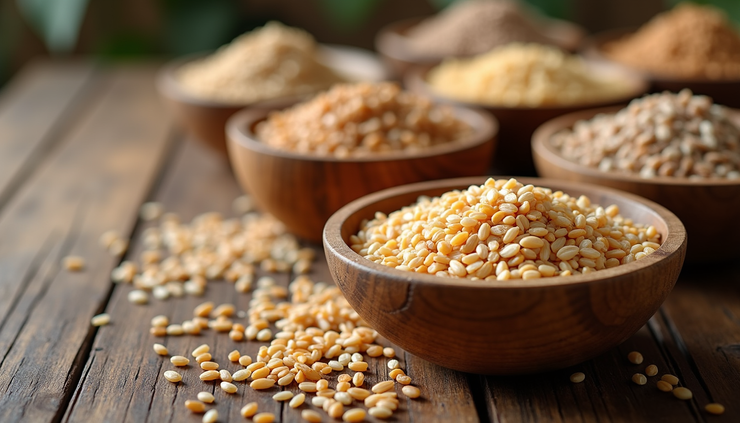
You might already know that whole grains are a healthy choice, but did you realize they rank among the top superfoods for your body? These nutrient-packed foods offer more than just energy—they support your heart, digestion, and overall well-being. This guide will help you understand why whole grains deserve a spot on your plate every day and how to enjoy them in delicious, practical ways.
What Makes Whole Grains Superfoods?
Whole grains contain all three parts of the grain kernel: the bran, germ, and endosperm. This means they keep their natural fiber, vitamins, minerals, and antioxidants intact. These nutrients work together to provide several health benefits:
Rich in fiber: Helps digestion, controls blood sugar, and supports weight management.
Packed with vitamins and minerals: Includes B vitamins, iron, magnesium, and selenium.
Loaded with antioxidants: Protects cells from damage and supports immune health.
Supports heart health: Studies show whole grains can lower cholesterol and reduce heart disease risk.
Because of these qualities, whole grains meet the criteria of superfoods—foods that offer exceptional nutritional value and health benefits.
Top Whole Grains to Include in Your Diet
You don’t have to stick to just brown rice or whole wheat bread. There’s a wide variety of whole grains you can explore, each with unique flavors and textures:
Quinoa: A complete protein containing all nine essential amino acids. Great in salads or as a side dish.
Oats: Known for beta-glucan fiber that helps lower cholesterol. Perfect for breakfast porridge or baking.
Barley: Offers a chewy texture and is rich in fiber. Use it in soups or stews.
Farro: Nutty flavor and chewy texture, ideal for grain bowls or risottos.
Millet: Mild taste and gluten-free, good for pilafs or porridge.
Brown rice: A versatile staple that works in almost any dish.
Buckwheat: Despite its name, it’s gluten-free and great for pancakes or noodles.
Trying different whole grains keeps your meals interesting and ensures you get a broad range of nutrients.
How to Add Whole Grains to Your Meals
Incorporating whole grains into your daily routine doesn’t have to be complicated. Here are some simple ideas to get started:
Swap white rice for brown rice or quinoa in your favorite dishes.
Use oats for breakfast porridge topped with fresh fruit and nuts.
Add cooked barley or farro to salads for extra texture and nutrition.
Replace regular pasta with whole grain or buckwheat noodles.
Bake with whole wheat flour instead of refined flour.
Snack on air-popped popcorn, a whole grain snack low in calories.
By making small swaps, you can boost your nutrient intake without changing your eating habits drastically.

Benefits Backed by Research
Research supports the role of whole grains in promoting health and preventing disease:
A study published in the American Journal of Clinical Nutrition found that people who ate at least three servings of whole grains daily had a 20% lower risk of heart disease.
Whole grains help regulate blood sugar levels, which is beneficial for people with or at risk of type 2 diabetes.
The fiber in whole grains supports gut health by feeding beneficial bacteria, improving digestion, and reducing inflammation.
Some studies suggest whole grains may reduce the risk of certain cancers, including colorectal cancer.
These findings highlight why whole grains are considered superfoods and why you should prioritize them in your diet.
Tips for Choosing and Storing Whole Grains
To get the most from whole grains, consider these tips:
Check labels: Look for products labeled “100% whole grain” or “whole wheat” to avoid refined grain blends.
Buy in bulk: Whole grains like quinoa, oats, and brown rice store well and buying in bulk can save money.
Store properly: Keep grains in airtight containers in a cool, dry place to maintain freshness.
Cook in batches: Prepare grains ahead of time and refrigerate or freeze portions for quick meals.
These habits make it easier to enjoy whole grains regularly without extra effort.

Whole grains offer a powerful combination of nutrients that support your health in many ways. By including a variety of whole grains in your meals, you provide your body with fiber, vitamins, minerals, and antioxidants that help protect your heart, improve digestion, and maintain steady energy levels. Start with small changes like swapping refined grains for whole grains and explore new recipes to keep your diet exciting.
Your next step is simple: pick one whole grain you haven’t tried before and add it to your shopping list. Experiment with recipes and notice how these superfoods can enhance your health and enjoyment of food.


Comments