Beginners Guide to Natural Detoxification for Supporting Your Body’s Detox Pathways


Detoxification is not a harsh cleanse, a punishment, or a race to “flush out” the body. In naturopathic practice, it is closer to tending a garden. You remove what burdens the soil, nourish what is depleted, support the flow of water and sunlight, then give the system time to restore its rhythm.
The body already knows how to detoxify. The liver transforms substances. The bowels carry waste out. The kidneys filter the blood. The lymphatic system moves fluid through tissues. The skin releases sweat. The lungs clear volatile compounds through the breath.
A natural detoxification approach does not try to force these pathways. It supports them gently and consistently.
That means daily food, fluid, movement, rest, sweating, bowel regularity, and a lower toxic load. It also means listening to the body rather than overriding it with extreme protocols.
Natural detoxification works best when the body feels safe
The body does not detox well in a stressed state.
When sleep is poor, blood sugar is unstable, digestion is sluggish, or the nervous system is constantly braced, elimination pathways tend to slow. The body often goes into conservation mode. Energy is directed toward coping, not clearing.
This is why many harsh detox plans leave people feeling worse. A strong cleanse may sound appealing, but if the foundations are weak, it can stir things up without helping the body move them out.
A naturopathic approach starts with the basics:
Open the exits
The bowels, urine, sweat, breath, and lymph need to move before stronger detoxification support makes sense.
Feed the pathways
Detoxification uses nutrients. Protein, minerals, B vitamins, antioxidants, fibre, and healthy fats all play a role.
Reduce incoming burden
Less alcohol, ultra-processed food, smoke exposure, synthetic fragrance, and unnecessary chemicals means the body has less to process.
Work with rhythm
The body likes steady routines, especially around meals, sleep, hydration, and movement.
The aim is not to feel dramatically different in two days. The aim is to feel clearer, lighter, more regular, and more resilient over time.
The main detox pathways and how to support each one
The body detoxifies through several connected systems. If one route is sluggish, the others may feel more burdened. Supporting each pathway gently creates a better foundation.
The liver prepares substances for elimination
The liver is often called the body’s main detox organ, but it does far more than filter. It processes hormones, alcohol, medications, metabolic waste, and many environmental substances.
From a naturopathic view, liver support is not about “scrubbing” the liver. It is about giving liver cells the nutrients they need and reducing what overloads them.
Helpful daily supports include:
Bitter foods such as rocket, dandelion greens, radicchio, endive, and lemon
Sulfur-rich vegetables such as broccoli, cauliflower, cabbage, onion, leek, and garlic
Adequate protein from eggs, fish, legumes, poultry, nuts, seeds, or other quality sources
Colourful plant foods rich in antioxidants
A steady reduction in alcohol, if alcohol is part of the diet
The liver also makes bile, which helps carry waste products into the digestive tract. Bile flow is supported by regular meals, healthy fats, bitter foods, hydration, and good bowel movements.
Skipping meals all day, then eating a heavy meal late at night, may not suit a body already feeling burdened. A more grounded rhythm often works better.
The bowels carry waste out of the body
The bowel is one of the most overlooked detox pathways.
If the bowels are not moving well, waste that was meant to leave can sit for too long. For many people, improving bowel regularity is the first and most practical detox step.
A healthy bowel rhythm varies, but going daily or close to daily, with ease, is a good sign.
To support bowel movement naturally:
Eat enough fibre from vegetables, fruit, legumes, oats, chia seeds, flaxseeds, and whole grains
Drink enough water to match fibre intake
Include healthy fats such as extra virgin olive oil, avocado, nuts, seeds, and oily fish
Move the body each day
Sit calmly after breakfast, as the bowel often responds to morning rhythm
Avoid ignoring the urge to go
Chia pudding, ground flaxseed in porridge, lentil soup, cooked vegetables, and stewed apples can be gentle food-based supports.
If constipation is long-standing, forcing detox with herbs or powders can aggravate discomfort. Start with the bowel. Keep it simple.
The kidneys filter through fluid and minerals
The kidneys help regulate fluid balance, electrolytes, blood pressure, and waste removal through urine. Supporting them does not mean drinking excessive water. Too much plain water can dilute minerals and leave some people feeling washed out.
A gentle approach is to drink regularly through the day and pay attention to thirst, urine colour, climate, exercise, and sweat.
In Australia’s warmer months, hydration needs can rise quickly, especially with outdoor work, exercise, sauna use, or beach days.
Support kidney flow with:
Clean water throughout the day
Mineral-rich foods such as leafy greens, pumpkin seeds, avocado, legumes, and sea vegetables in modest amounts
Herbal teas such as nettle or dandelion leaf, where suitable
Reducing excessive alcohol and high-salt processed foods
Eating enough potassium-rich whole foods, unless medically restricted
Urine that is consistently dark may suggest more fluid is needed. Urine that is always completely clear, especially with fatigue or headaches, may suggest too much plain water and not enough minerals.
The lymphatic system needs movement
The lymphatic system is like a drainage network for the tissues. It carries immune cells, fluid, proteins, and waste products. Unlike the blood, lymph does not have a central pump. It relies heavily on muscle movement, breathing, and body position.
This is why sedentary days can feel stagnant.
Gentle lymphatic supports include:
Walking
Rebounding on a mini trampoline
Stretching
Yoga
Dry skin brushing before a shower
Alternating warm and cool water at the end of a shower
Deep diaphragmatic breathing
Massage or self-massage
You do not need intense exercise to move lymph. In fact, when someone feels depleted, gentle movement is often more helpful than pushing hard.

The skin supports release through sweat
The skin is a boundary, a sensory organ, and a route of elimination through sweat. Sweating can support circulation and fluid movement, and many people feel clearer after a gentle sweat.
Options include:
A warm bath
Sauna, if well tolerated
Gentle exercise
Sitting in morning sun before the day gets hot
Warm herbal compresses
Epsom salt baths, if suitable for the individual
The key word is gentle. A detox practice should not leave someone dizzy, nauseous, depleted, or wired.
After sweating, replenish fluids and minerals. This might mean water with a pinch of quality salt and lemon, coconut water, a mineral-rich meal, or broth.
The lungs clear through breath
The lungs release carbon dioxide and volatile substances with each exhale. Breath also influences the nervous system, which in turn affects digestion, circulation, and elimination.
Simple breath practices can shift the body from tension into a more restorative state.
Try this for two to five minutes:
Place one hand on the lower ribs.
Inhale through the nose and let the ribs widen.
Exhale slowly through the nose or mouth.
Let the shoulders stay soft.
Keep the breath comfortable, not forced.
This small practice can be done before meals, before sleep, or during stressful moments. It is simple, but it changes the internal terrain.
Food is the foundation of a natural detox
Food should come before powders, kits, and complicated protocols. The body needs raw materials to clear wastes well.
A supportive detox plate is colourful, mineral-rich, protein-aware, and fibre-rich. It should leave the body nourished, not deprived.
Build a detox-supportive plate
A simple plate might include:
Half a plate of vegetables
A palm-sized portion of protein
A small serve of slow carbohydrates, if needed
Healthy fats for bile flow and satiety
Herbs, spices, lemon, or bitters for digestive support
Good choices include:
Greens such as rocket, kale, silverbeet, parsley, coriander, and watercress
Cruciferous vegetables such as broccoli, cabbage, cauliflower, bok choy, and Brussels sprouts
Fibre foods such as lentils, beans, oats, chia, flaxseed, psyllium, apples, and pears
Protein foods such as eggs, fish, chicken, tofu, tempeh, legumes, nuts, and seeds
Fats such as extra virgin olive oil, avocado, tahini, walnuts, and sardines
Spices such as turmeric, ginger, cinnamon, cumin, fennel, and coriander seed
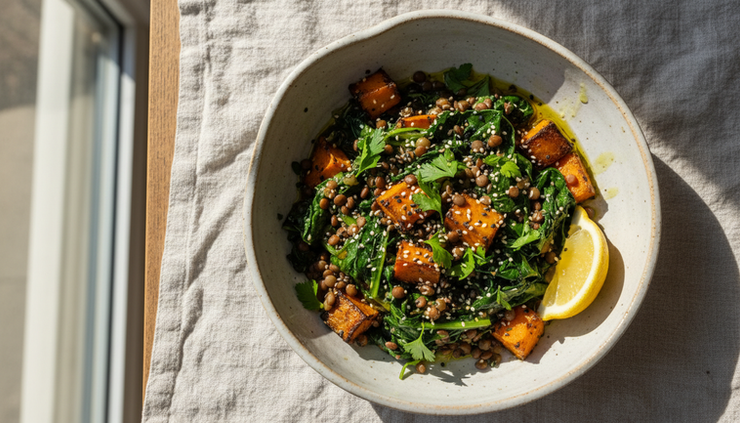
Cooked vegetables often suit sensitive digestion better than large raw salads. A warm bowl with steamed greens, roasted pumpkin, lentils, olive oil, herbs, and lemon can be deeply supportive.
Use bitter flavours before meals
Bitters have a long history in herbal and naturopathic traditions. They are used to wake up digestion through taste receptors, especially before meals.
Natural bitter foods include:
Rocket
Dandelion leaf
Radicchio
Endive
Grapefruit
Lemon peel
Artichoke
Bitter herbal teas
A small handful of rocket with lemon before a meal can be enough. Bitter is not meant to be extreme. The taste should be noticeable and pleasant enough to use consistently.
People with reflux, gallbladder disease, ulcers, pregnancy, or medication concerns should get tailored advice before using strong bitter herbs.
Do not under-eat during detox
Many people associate detox with restriction. In naturopathic practice, under-eating often backfires.
The liver needs amino acids from protein. The gut needs fibre and bulk. The nervous system needs stable blood sugar. Hormones need enough energy and healthy fats.
Signs a detox approach may be too restrictive include:
Feeling shaky or anxious
Waking at night
Headaches that persist
Constipation
Feeling cold
Strong cravings
Irritability
Dizziness
Fatigue that worsens rather than improves
A well-designed detox should feel grounding. There may be mild shifts as habits change, but it should not feel like punishment.
Reduce the incoming toxic load without becoming fearful
Natural detoxification is not only about what is leaving the body. It is also about what comes in each day.
Modern life brings exposures through food, air, water, personal care, cleaning products, plastics, smoke, mould, alcohol, and stress. The point is not to become afraid of the world. The point is to make cleaner choices where they are realistic.
Start with the biggest and easiest changes.
Choose low-tox personal care where it matters
The skin is exposed daily to soaps, deodorants, perfumes, sunscreens, lotions, hair products, and cosmetics. Some people tolerate these well. Others notice headaches, rashes, hormonal symptoms, or respiratory irritation around heavily fragranced products.
A gentle shift can include:
Choosing fragrance-free laundry powder
Swapping synthetic room sprays for fresh air and essential oils used carefully
Using simple body oils such as jojoba, olive, or coconut where suitable
Choosing mineral-based products when preferred
Avoiding unnecessary perfumes on the skin
Essential oils are natural, but they are concentrated. They should be used with care, especially around children, pregnancy, asthma, pets, and sensitive skin.
Clean the home with fewer chemicals
A low-tox home does not need to be expensive. Many households can reduce product load with simple staples.
Useful basics include:
White vinegar for glass and some surfaces
Bicarbonate of soda for scrubbing
Castile soap for general cleaning
Microfibre cloths
Fresh air and sunlight
Regular dusting and vacuuming
Avoid mixing cleaning agents. Vinegar and bleach, for example, should never be mixed.
Fresh air is one of the simplest detox supports in the home. Open windows when weather allows. Let sunlight touch bedding. Keep damp areas dry to reduce mould risk.
Reduce plastic contact with hot food and drink
Plastic exposure can increase when plastic is heated. A practical step is to avoid microwaving food in plastic containers or pouring boiling water into plastic bottles.
Simple swaps include:
Glass containers for leftovers
Stainless steel drink bottles
Ceramic mugs for hot drinks
Beeswax wraps or containers instead of plastic wrap where practical
Avoiding scratched plastic containers for food storage
These changes are not about perfection. They are steady reductions in daily burden.

Gentle detox practices that fit into normal life
A good detox plan should be repeatable. If it only works during a week off responsibilities, it is not much use for daily life.
Choose practices that support flow without draining energy.
Start the morning with hydration and light
Many people wake slightly dehydrated. A glass of water in the morning is a simple way to support bowel and kidney flow.
For a more mineral-aware option, try:
Filtered water
A squeeze of lemon or lime
A small pinch of quality salt, if suitable
A few deep breaths before drinking
Morning light also helps regulate the circadian rhythm. Step outside for a few minutes early in the day. This supports sleep later, and sleep is one of the deepest detox supports.
Use dry skin brushing before a shower
Dry skin brushing is a traditional practice used to stimulate the skin and support lymphatic movement. The evidence base is limited, but many people enjoy it as a simple ritual.
Use a natural bristle brush and gentle pressure. Brush towards the heart:
Feet to hips
Hands to shoulders
Abdomen in gentle circles
Chest lightly
Avoid broken, irritated, or inflamed skin
Follow with a warm shower. Some people like a brief cool rinse at the end.
Try castor oil packs with care
Castor oil packs are often used in naturopathic and traditional wellness settings over the abdomen. They are commonly chosen to support relaxation, bowel rhythm, and a sense of abdominal ease.
A basic pack involves castor oil applied to cloth, placed over the abdomen, and covered with a warm pack for around 20 to 30 minutes.
Use caution. Castor oil can stain fabric, and it is not suitable for everyone. Avoid castor oil packs during pregnancy, heavy bleeding, acute abdominal pain, or where heat is not advised. Do not ingest castor oil unless guided by a qualified practitioner.
Consider herbal teas before strong supplements
Herbal teas can offer gentle daily support without the intensity of capsules or tinctures.
Common detox-supportive teas include:
Nettle leaf
Dandelion leaf
Ginger
Peppermint
Fennel
Lemongrass
Calendula
Milk thistle tea, though this is often stronger as an extract
Herbs still have effects. They may interact with medication or be unsuitable in pregnancy, breastfeeding, kidney disease, gallbladder issues, allergies, or other health conditions. Gentle does not mean universally safe.
Food and lifestyle should remain the foundation.
A simple seven-day natural detox rhythm
A beginner detox does not need a long supplement plan. This seven-day rhythm supports the body’s natural pathways without demanding perfection.
Use it as a gentle reset.
Days one and two focus on reducing burden
Start by removing the most obvious obstacles.
For two days, reduce or avoid:
Alcohol
Fried takeaway foods
Soft drinks
Highly processed snacks
Excess sugar
Heavy late-night meals
Synthetic fragrances where possible
Add:
Two extra serves of vegetables each day
Two litres of water spread across the day, adjusted for body size, weather, and activity
A short walk
A consistent bedtime
One bowel-supportive food such as chia, flaxseed, oats, lentils, or stewed apple
This phase should feel like clearing space.
Days three and four focus on nourishment
Once the obvious load is lower, focus on feeding the detox pathways.
Aim for:
Protein at each main meal
Greens daily
Cruciferous vegetables daily
Olive oil, avocado, nuts, seeds, or oily fish
Herbal tea between meals
A bitter food before lunch or dinner
Meal ideas:
Scrambled eggs with spinach, mushrooms, parsley, and avocado
Lentil and vegetable soup with olive oil and lemon
Grilled fish with steamed greens and roasted sweet potato
Chickpea salad with rocket, cucumber, herbs, tahini, and lemon
Tofu stir-fry with bok choy, broccoli, ginger, and brown rice
If digestion is sensitive, choose warm cooked meals over cold raw foods.
Days five and six focus on movement and sweat
Now support circulation, lymph, and skin.
Choose one or two:
A 30-minute walk
Gentle yoga
Rebounding for five to ten minutes
A warm bath
A sauna session, if well tolerated
Dry skin brushing
Self-massage with oil
Breathwork before bed
Do not overdo it. If sweat practices leave you depleted, shorten them or choose walking and stretching instead.
Day seven focuses on reflection and rhythm
A detox becomes useful when it teaches you something.
On day seven, ask:
Did bowel movements improve?
Did sleep shift?
Did cravings change?
Did energy become clearer or more stable?
Did any food seem to aggravate symptoms?
Did stress reduce when evening habits improved?
Which practices felt nourishing enough to keep?
Keep the practices that gave the most benefit with the least stress. That is your personal detox foundation.
Signs your detox pathways may need support
The body often gives subtle signs before stronger symptoms appear. These signs do not prove “toxicity”, but they may suggest that elimination, digestion, sleep, or resilience need attention.
Common signs include:
Sluggish bowels
Feeling puffy or heavy
Coated tongue
Strong body odour
Bad breath despite oral care
Skin congestion
Low morning appetite
Headaches linked with alcohol, sugar, or poor sleep
Waking between 1 am and 3 am
Brain fog after heavy meals
Sensitivity to fragrance or chemical smells
Fatigue that worsens with stress
These signs can have many causes. A naturopathic lens looks for patterns rather than isolated symptoms.
For example, someone with constipation, low water intake, little movement, poor sleep, and daily wine may not need a dramatic cleanse. They may need structured meals, hydration, fibre, walking, less alcohol, and sleep support.
The simple path is often the correct one.
What to avoid when beginning a detox
Some detox habits sound natural but can be too strong, especially for beginners. More intensity does not equal better results.
Avoid aggressive fasting if the body is depleted
Fasting can be useful in some contexts, but it is not ideal for everyone. People with blood sugar issues, high stress, poor sleep, eating disorder history, pregnancy, breastfeeding, heavy training loads, or chronic fatigue patterns may feel worse with fasting.
A gentler option is a 12-hour overnight food break. For example, finish dinner at 7 pm and eat breakfast at 7 am. This gives digestion a rest without pushing the body hard.
Avoid strong laxative detox teas
Many commercial detox teas rely on stimulant laxative herbs. These may cause cramping, urgency, dehydration, and dependency if overused.
A better beginner approach is bowel nourishment:
Fibre
Water
Minerals
Movement
Healthy fats
Calm mealtimes
Regular toilet rhythm
If the bowels need herbal support, it is best tailored to the person.
Avoid doing too many things at once
Changing diet, starting sauna, adding herbs, cutting caffeine, fasting, exercising hard, and taking new supplements all in the same week makes it hard to know what is helping.
Begin with three changes:
Improve hydration.
Add fibre and vegetables.
Move gently each day.
Once those feel stable, add another layer.
Avoid ignoring symptoms
A detox should not create severe symptoms. Stop and seek proper support if you experience intense pain, fainting, ongoing vomiting, severe diarrhoea, chest pain, confusion, allergic symptoms, or a major worsening of health.
Detox is meant to support vitality, not override distress signals.
A naturopathic daily detox routine
This simple rhythm can be used beyond a seven-day reset. It is gentle enough for many people to practise often.
Morning
Wake and drink water
Get outside for natural light
Eat a protein-rich breakfast if hungry
Include fibre such as chia, oats, vegetables, berries, or flaxseed
Take a short walk or stretch
Allow time for a bowel movement
Midday
Eat a colourful lunch with vegetables, protein, and healthy fats
Add bitter greens or lemon
Drink water or herbal tea
Step away from screens while eating when possible
Get light movement after the meal
Evening
Eat dinner at least two to three hours before bed when practical
Choose cooked vegetables and easy-to-digest protein
Avoid heavy alcohol and late sugar
Dim bright lights
Use breathwork, a bath, reading, or gentle stretching
Aim for consistent sleep timing
Sleep may be the most underrated detox practice. During deep rest, the body repairs, regulates immune activity, processes the day, and restores energy. Without sleep, even the best food plan has limits.
When deeper detox support may be useful
A gentle beginner plan is enough for many people. Deeper support may be needed when there is a history of significant exposure, long-term digestive issues, hormonal symptoms, mould exposure, high alcohol intake, persistent fatigue, chemical sensitivity, or complex health patterns.
In these cases, testing and personalised care can matter. Detoxification is not one-size-fits-all. Some people need bowel support first. Others need nervous system care, mineral repletion, protein, gut work, or a slower pace.
Naturopathic detox work often considers:
Digestive function
Bile flow
Nutrient status
Stress patterns
Sleep quality
Hormonal clearance
Environmental exposures
Medication load
Mould and dampness exposure
Immune reactivity
Bowel regularity
The safest deeper detox is paced, supported, and responsive to the body.

The steady path is the most effective path
Natural detoxification does not require punishment, fear, or expensive kits. It asks for rhythm.
Eat real food. Keep the bowels moving. Hydrate with minerals in mind. Breathe deeply. Move lymph through daily movement. Sweat gently. Sleep well. Reduce the obvious burdens. Let the body feel safe enough to do what it was designed to do.
The best detox is the one that leaves you more connected to your body, not less. Start small, stay consistent, and build from the foundations.
Health disclaimer
This article is for general informational and educational purposes only. It is not medical advice and does not replace care from a qualified health professional. Detox practices, herbs, fasting, sauna, castor oil packs, and dietary changes may not be suitable for everyone, especially during pregnancy, breastfeeding, chronic illness, eating disorder recovery, kidney or liver disease, gallbladder disease, or when taking medication. Seek personalised advice before beginning any detox programme or if symptoms are persistent, severe, or worsening.


Comments