Beginner’s Guide to Herbal Medicine Powerful Herbs for Everyday Health


Herbal medicine often begins in quiet, ordinary moments: a cup of ginger tea when the stomach feels unsettled, chamomile before bed, peppermint after a heavy meal, or thyme steam when the airways feel tight. These plants are not new trends. They have been part of household care, traditional healing systems, and naturopathic practice for generations.
At its best, herbal medicine is not about chasing exotic remedies or taking dozens of tinctures. It is about learning the character of a plant, understanding when it is useful, and using it with respect.
A naturopathic approach looks at the whole person. Sleep, digestion, stress, circulation, immunity, food, movement, sunlight, hydration, and emotional wellbeing all matter. Herbs can sit beautifully within that picture. They may support the body’s own processes, soothe symptoms, and build resilience over time.
This guide is a gentle starting point. It explains how herbs work, which herbs are most useful for everyday health, and how to begin safely and simply.
Herbal medicine is both traditional and practical
Herbal medicine uses leaves, roots, flowers, seeds, bark, berries, and resins to support health. Some herbs are taken as teas. Others are used as tinctures, capsules, syrups, oils, poultices, steams, or food.
Many people think of herbs as mild. Some are. A cup of lemon balm tea is very different from a concentrated herbal extract. Other herbs are strong and need more care. The dose, preparation, quality, and the person taking the herb all change how it behaves.
In naturopathy, herbs are chosen for patterns, not just symptoms. Two people may both say they feel tired, but one person may be depleted after prolonged stress, while another may feel heavy and sluggish after poor sleep and low movement. Those situations may call for different plants, even if the word “fatigue” is the same.
Herbs can be grouped by the way they tend to act in the body. These are often called herbal actions. Learning a few herbal actions makes plant medicine much easier to understand.
Common herbal actions include:
Carminatives
Help ease digestive gas, bloating, and spasm. Peppermint, fennel, ginger, and chamomile are common examples.
Nervines
Support the nervous system and may help the body settle during stress. Lemon balm, passionflower, skullcap, and oats are often used this way.
Adaptogens
Help support resilience during periods of physical or emotional stress. Ashwagandha, rhodiola, and holy basil are well-known examples.
Demulcents
Contain soothing mucilage that coats irritated tissues. Marshmallow root, slippery elm, and liquorice root are examples.
Bitters
Stimulate digestive secretions and are usually taken before meals. Dandelion root, gentian, globe artichoke leaf, and chamomile can act as bitters.
Antimicrobial herbs
Traditionally used to help the body respond to microbial challenges. Thyme, garlic, echinacea, calendula, and sage are common examples.
Astringents
Tone tissues and reduce excess secretions. Yarrow, raspberry leaf, witch hazel, and black tea can have astringent qualities.
This way of thinking keeps herbal medicine grounded. Instead of asking, “What herb is good for headaches?” a more useful question is, “What is driving the headache?” Is it tension, dehydration, poor sleep, sinus congestion, hormonal change, or digestive upset? The answer shapes the herb choice.
How to start with herbs without overwhelming yourself
The best way to begin is to learn a small number of herbs well. A home apothecary with five carefully chosen plants is more useful than a cupboard full of bottles you barely understand.
Start with herbs that are gentle, versatile, and easy to prepare. Teas are often the simplest entry point. They allow you to taste the plant, notice its aroma, and pay attention to how your body responds.
A sensible beginner’s herbal shelf might include:
Herb | Best known for | Simple use |
Chamomile | Settling digestion and the nervous system | Infusion after dinner or before bed |
Peppermint | Bloating, gas, and digestive heaviness | Infusion after meals |
Ginger | Circulation, nausea, and warming the body | Fresh root tea or added to food |
Lemon balm | Calm, mood, and gentle nervous system support | Infusion in the afternoon |
Nettle | Mineral-rich support and seasonal wellness | Nourishing infusion |
Calendula | Skin, lymphatic support, and tissue repair | Tea, infused oil, or compress |
Thyme | Respiratory support and traditional antimicrobial use | Tea, steam, or food seasoning |
A cup of herbal tea may seem simple, but preparation matters. Delicate leaves and flowers are usually infused. Roots, bark, and tougher seeds are often simmered as a decoction.
Infusions suit leaves and flowers
An infusion is similar to making tea.
Place the herb in a cup or pot, pour over just-boiled water, cover it, and steep. Covering the tea helps keep volatile oils in the cup, which matters for aromatic herbs such as peppermint, thyme, and chamomile.
Common infusion herbs include:
Chamomile flowers
Peppermint leaf
Lemon balm leaf
Nettle leaf
Raspberry leaf
Calendula flowers
Passionflower aerial parts
A typical kitchen amount is 1 to 2 teaspoons of dried herb per cup, though stronger medicinal infusions may use more. Taste gives clues. If a tea is very bitter, very pungent, or very drying, it may not need to be strong to be effective.
Decoctions suit roots, bark, and dense plant parts
A decoction uses gentle simmering. This helps extract compounds from dense materials.
Common decoction herbs include:
Ginger root
Dandelion root
Liquorice root
Cinnamon bark
Astragalus root
Burdock root
Marshmallow root, though this is often prepared as a cold infusion because of its mucilage
To make a simple decoction, add the herb to cold water, bring it to a low simmer, cover, and simmer gently. Strain and drink warm.
Tinctures are concentrated and convenient
Tinctures are liquid extracts, usually made with alcohol, glycerine, or vinegar. They are useful when someone needs a stronger preparation or does not want to drink several cups of tea.
They also require more care. A few drops of one herb may be mild, while a few millilitres of another may be quite active. Product strength differs. Labels matter.
For beginners, teas and culinary herbs are usually the most comfortable place to start. Tinctures are best chosen with professional guidance when there are medicines, chronic conditions, pregnancy, breastfeeding, or complex symptoms involved.
Powerful herbs for everyday health
The word “powerful” does not always mean forceful. Some of the most useful herbs work gently and steadily. Others are warming, stimulating, or strongly tasting. A well-chosen herb meets the body where it is.
Below are commonly used herbs that appear often in naturopathic practice and home herbal care.
Chamomile helps settle the body
Chamomile is one of the best beginner herbs because it is gentle, aromatic, and widely available. It is often thought of as a sleep herb, but its reach is broader than that.
Chamomile has traditionally been used for:
Digestive tension
Wind and bloating
Mild restlessness
Irritability linked with tiredness
A tight stomach during stress
Its flavour is lightly bitter, floral, and apple-like. The bitterness can help digestion, while the aromatic oils support a relaxed digestive tract. This makes chamomile especially useful when stress and digestion overlap.
A strong cup of chamomile after dinner can feel very different from a weak tea bag briefly dipped in hot water. Use loose flowers where possible, cover the cup, and let it steep long enough for the water to turn golden.
Chamomile combines well with lemon balm for nervous tension, peppermint for bloating, and ginger when digestion feels cold and slow.
People with allergy to plants in the daisy family need to be cautious with chamomile.
Peppermint supports digestion and clarity
Peppermint is bright, cooling, and aromatic. It is one of the classic carminative herbs, which means it helps ease gas and digestive spasm.
It is often used when digestion feels:
Bloated
Crampy
Heavy after meals
Hot or unsettled
Linked with tension
Peppermint tea after lunch can be a simple ritual. It also pairs well with fennel seed for gas and chamomile for a nervous stomach.
There is one common catch. Peppermint may worsen reflux in some people because it can relax the lower oesophageal sphincter. If peppermint tea brings burning, burping, or acid symptoms, choose another digestive herb such as chamomile, fennel, meadowsweet, or ginger, depending on the pattern.
Peppermint essential oil is much stronger than peppermint tea. Essential oils should not be swallowed casually. A tea made from the dried leaf is the better starting point for home use.
Ginger brings warmth and movement
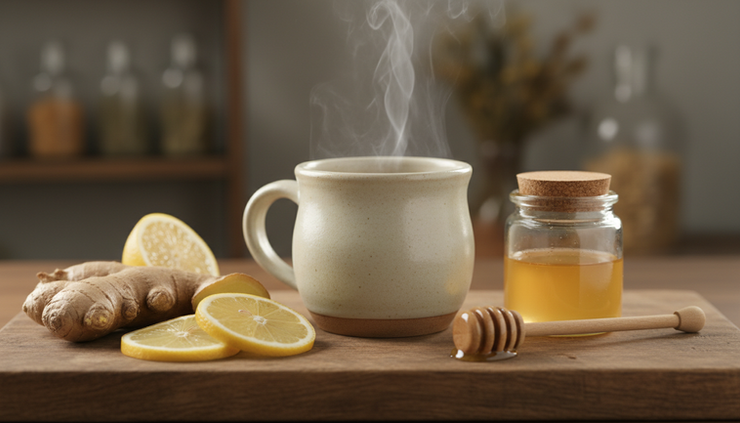
Ginger is a kitchen medicine favourite. It is warming, pungent, and stimulating. It has long been used to support digestion, nausea, circulation, and comfort in cold weather.
Fresh ginger tea is simple. Slice a few pieces of fresh root, simmer them briefly or steep them in hot water, then sip slowly. The taste should be warming, not punishing. More is not always better.
Ginger suits people who feel cold, sluggish, or heavy after meals. It can be helpful when the stomach feels slow to empty or when nausea appears during travel. It also makes a beautiful base for winter teas with lemon, cinnamon, or thyme.
Because ginger can be warming and moving, people taking blood-thinning medication or preparing for surgery should seek advice before using high supplemental amounts. Culinary use is a different matter for most people.
Lemon balm softens stress and lifts the mood
Lemon balm is a gentle nervine with a fresh lemon scent. It is one of the loveliest herbs for people who feel wired, tense, or emotionally flat after long periods of stress.
Traditionally, lemon balm has been used to support:
Calm mood
Restful sleep
Nervous digestion
Tension linked with overthinking
Mild restlessness
It makes a pleasant tea and tastes better fresh than dried, though dried lemon balm is still useful if it has been stored well. If the dried herb has no scent, it is likely past its best.
Lemon balm combines well with passionflower for sleep, chamomile for digestion, and nettle for a mineral-rich daily tea. It can also be made into a simple iced infusion in warmer months.
People with thyroid conditions or those taking thyroid medication should get individual guidance before using lemon balm regularly in medicinal amounts.
Nettle offers mineral-rich nourishment
Nettle leaf is not glamorous, but it is deeply useful. Once dried or cooked, the sting disappears. What remains is a green, earthy herb rich in minerals and traditionally used as a nourishing tonic.
Nettle is often used for:
General vitality
Seasonal wellness
Skin support
Hair and nail nourishment
A mineral-rich daily infusion
A nettle infusion tastes grassy and savoury. Some people love it plain. Others prefer it blended with peppermint or lemon balm.
Nettle is a good reminder that herbal medicine is not only about treating discomfort. It can also be about nourishment. A strong nettle infusion can sit alongside good food, adequate protein, mineral intake, and rest as part of a rebuilding plan.
As a food-like herb, nettle is a common starting point. People with kidney conditions, fluid balance issues, or medication that affects fluid or minerals should seek guidance before using it intensively.

Calendula supports skin and gentle repair
Calendula, also called pot marigold, is a bright orange flower often used for skin, lymphatic flow, and tissue repair. It appears in infused oils, salves, creams, washes, and teas.
Calendula has traditionally been used for:
Dry or irritated skin
Minor skin discomfort
Gentle lymphatic support
Mouth rinses and gargles
Digestive lining support when used as tea
Calendula infused oil is a useful home preparation. The dried petals are steeped in a carrier oil, then strained and used on dry skin or as the base for a balm. Water-based preparations, such as teas and washes, suit short-term use and should be made fresh.
For a simple compress, make a calendula tea, let it cool until comfortable, soak a clean cloth in it, and apply it to the area. Keep everything clean and avoid using home preparations on deep, infected, or serious wounds.
Calendula combines well with chamomile for skin comfort and with plantain leaf in traditional topical preparations.
Thyme supports the airways
Thyme is a strong kitchen herb with a long history of use in winter wellness. It is aromatic, warming, and traditionally used for the respiratory system.
A thyme tea can taste intense, so it is often blended with honey and lemon. It may be used when the throat feels scratchy or when the chest feels heavy with mucus. Thyme steam is another traditional approach. A small handful of herb is added to hot water, then the steam is inhaled carefully.
Thyme’s strength comes from its aromatic oils. That is why the tea should be covered while steeping. It also means thyme essential oil is far more concentrated and needs proper training to use safely.
As a culinary herb, thyme is easy to include in soups, broths, roasted vegetables, and slow-cooked meals. These daily uses matter. Food herbs can gently support digestion and winter resilience long before a person reaches for a supplement.
Echinacea supports immune responses
Echinacea is one of the better-known immune herbs. Traditionally, it has been used at the early signs of seasonal illness and for immune system support.
Different species and plant parts are used, including root and aerial parts. Preparations vary widely. Some tinctures create a tingling sensation in the mouth, which herbalists often associate with activity in good-quality echinacea root extracts.
Echinacea is not usually taken like a daily multivitamin for months on end without reason. It is often used in short courses. It combines well with elderflower, thyme, yarrow, or ginger, depending on the presentation.
People with autoimmune conditions, allergies to daisy family plants, or those on immune-suppressing medicines should seek individual advice before using echinacea.
Dandelion supports digestion and elimination
Dandelion is often treated as a weed, yet herbalists value it highly. The leaf and root have different qualities.
Dandelion leaf is traditionally used to support fluid balance. Dandelion root is used as a bitter digestive and liver-supportive herb. Roasted dandelion root is also used as a caffeine-free coffee alternative.
Bitters work best when tasted. That means capsules may miss part of the point. A bitter taste on the tongue signals the digestive system to prepare for food. This can support appetite, digestive secretions, and the feeling of readiness for a meal.
Dandelion root can be simmered as a decoction or taken as a tincture before meals. It pairs well with burdock root for skin patterns and with ginger when digestion feels cold.
People with gallbladder disease, bile duct obstruction, significant reflux, kidney disease, or diuretic medication use should get tailored advice before using dandelion medicinally.
Turmeric supports inflammation balance
Turmeric is a golden rhizome used in food and traditional medicine. It is best known for supporting healthy inflammation balance. In naturopathic care, it is often considered when someone needs joint, digestive, liver, or general antioxidant support.
Turmeric works well as food. Add it to curries, soups, dhal, scrambled eggs, rice dishes, or warm drinks. Combining turmeric with black pepper and fat improves absorption of some of its key compounds.
Supplemental turmeric and curcumin products can be much stronger than food amounts. They may not suit everyone, especially people on blood-thinning medication, those with gallbladder issues, or those preparing for surgery.
Food use is the ideal place to begin. A pot of soup with turmeric, ginger, garlic, onion, and black pepper is a beautiful example of herbal medicine meeting everyday cooking.
Ashwagandha supports stress resilience
Ashwagandha is an adaptogen used in Ayurvedic medicine. It is often chosen for people who feel depleted, tense, tired, and run down from prolonged stress. It is not a quick stimulant. It is more of a restorative herb when suited to the person.
It may support:
Stress resilience
Restorative sleep
Nervous system nourishment
Physical recovery
A sense of grounded energy
Ashwagandha is usually taken as a powder, capsule, or tincture. The powder has a strong earthy taste and is sometimes mixed into warm milk or plant milk.
This herb is not right for everyone. It may not suit pregnancy, some thyroid conditions, certain autoimmune conditions, or particular medications. It is a good example of why “natural” still needs careful matching.
Garlic is food and medicine
Garlic sits at the meeting point of kitchen and apothecary. It is pungent, warming, and traditionally used for cardiovascular and immune support.
Raw garlic is stronger than cooked garlic and can irritate the digestive tract in some people. Cooked garlic is gentler and still valuable as a regular food. A simple broth with garlic, thyme, ginger, vegetables, and leafy greens can be deeply supportive during colder months.
Garlic supplements can interact with blood-thinning medication and may not be appropriate before surgery. Food amounts are more suitable for everyday use for most people.
Garlic also teaches a core principle of herbal medicine: the best remedy is often the one that fits into daily life. A herb used regularly in meals can be more meaningful than an expensive supplement taken inconsistently.
Matching herbs to common everyday patterns
A beginner’s guide to herbal medicine becomes more useful when herbs are matched to patterns rather than used as random remedies. The following examples show how a naturopathic lens might think through common presentations.
These are not treatment plans. They are learning examples.
When digestion feels bloated and tense
This pattern often responds best to aromatic carminatives and slower eating. Peppermint, fennel, chamomile, ginger, and lemon balm may all be relevant. The right choice depends on whether the person feels hot or cold, tense or sluggish, dry or nauseous.
A simple tea blend could include peppermint, chamomile, and fennel seed after meals. If digestion feels cold, swap peppermint for ginger.
Food habits matter as much as the tea. Big meals eaten quickly, carbonated drinks, low fibre, stress, and poor chewing can all add to bloating.
When stress affects sleep
Sleep herbs are not all sedatives. Some calm an overactive mind. Some relax muscle tension. Some nourish a depleted nervous system.
Lemon balm, passionflower, chamomile, skullcap, and lavender are common gentle choices. Ashwagandha may suit a longer pattern of stress depletion, while valerian may suit some people but feel too heavy or vivid for others.
A bedtime tea can become part of the nervous system cue for sleep. Keep the blend simple. Lemon balm, chamomile, and passionflower make a pleasant starting point.
When the body feels run down
When someone feels depleted, herbs should not be used to push harder. Nourishment comes first.
Nettle, oats, ashwagandha, astragalus, medicinal mushrooms, and mineral-rich foods may be considered depending on the person. So might protein, iron status, B vitamins, sunlight, rest, and pacing.
Nettle infusion, broths with thyme and garlic, and regular meals can be more appropriate than strong stimulants. A naturopathic approach asks why energy is low rather than simply trying to override it.
When seasonal changes affect the airways
Thyme, elderflower, yarrow, echinacea, ginger, sage, and liquorice are traditional winter herbs. The choice depends on the stage and nature of symptoms.
For a scratchy throat, sage or thyme as a gargle may be used traditionally. For feeling chilled, ginger and yarrow may help warm the body. For stuck mucus, thyme can be useful. For early immune support, echinacea may be chosen.
Rest, fluids, fresh air, and simple food still matter. Herbs support the terrain. They do not replace the basics.

Quality changes everything
A herb can only be as useful as its quality. Old, poorly stored herbs lose aroma, colour, and potency. This is especially true for aromatic leaves and flowers.
Look for herbs that have:
Clear colour
A fresh, recognisable smell
Minimal dust
Correct plant name on the label
Country of origin where available
Organic or spray-free sourcing where possible
The Latin botanical name matters because common names can be confusing. For example, “marigold” may refer to different plants, while Calendula officinalis is the calendula used in herbal medicine. “Chamomile” may refer to German chamomile or Roman chamomile. Both are used, but they are not identical.
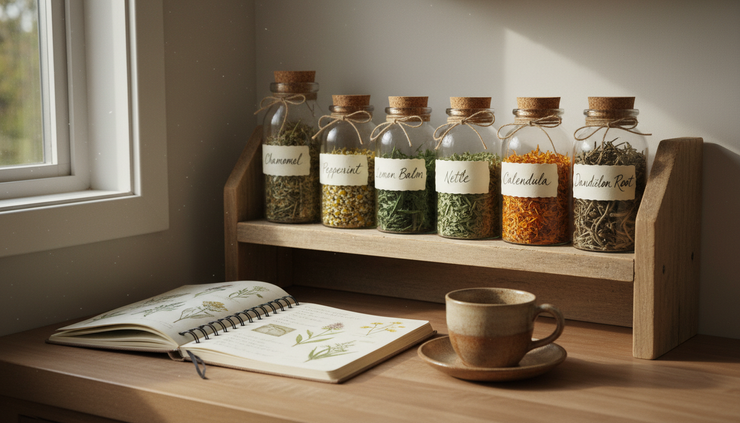
Store dried herbs in clean glass jars or sealed bags away from heat, light, and moisture. Label them with the name and purchase date. Most leaves and flowers are best used within about a year, sometimes sooner if they lose scent. Roots, seeds, and barks often last longer, but freshness still matters.
Powdered herbs oxidise more quickly because more surface area is exposed to air. Buy powders in small amounts unless you use them often.
Gentle does not mean careless
Herbal medicine has a strong safety record when used well, but it still deserves respect. The main safety issues involve dose, pregnancy, breastfeeding, children, allergies, medical conditions, surgery, and medication interactions.
A few examples make this clear:
St John’s wort interacts with many medicines.
Liquorice can affect blood pressure and potassium levels in some people.
High-dose garlic, ginger, turmeric, and ginkgo may not suit people taking blood-thinning medication.
Some herbs that stimulate uterine activity are avoided in pregnancy.
Essential oils are highly concentrated and need specific safety knowledge.
For everyday home use, the safest starting point is usually culinary herbs and gentle teas. Introduce one new herb at a time. Notice taste, digestion, sleep, mood, skin, and energy. If something feels wrong, stop and reassess.
More is not better. The right amount is the amount that supports the body without overwhelming it.
Simple herbal routines for everyday life
Herbs work best when they fit naturally into the day. A routine does not need to be complicated.
A morning ritual might be ginger tea on cold days, or nettle infusion when extra nourishment is needed. Midday could include bitter greens in the meal or a small amount of dandelion tea before food. After dinner, peppermint or chamomile can support digestion. Before bed, lemon balm and passionflower can help signal that the day is ending.
Food herbs count too. Add thyme to roasted vegetables. Add garlic to soups. Add turmeric and black pepper to dhal. Add parsley, coriander, basil, rosemary, sage, and oregano generously to meals. These plants bring flavour, colour, and traditional medicinal value.
A beginner-friendly herbal day might look like this:
Time | Herbal support | Why it may help |
Morning | Fresh ginger tea | Warming start for digestion and circulation |
Lunch | Bitter greens or dandelion tea | Gentle digestive support before food |
Afternoon | Lemon balm infusion | Calm focus without heaviness |
Dinner | Garlic, thyme, and turmeric in food | Daily culinary herbal support |
Evening | Chamomile tea | Settles digestion and prepares for rest |
This is only an example. The best herbal rhythm is one that matches the person, the season, and the body’s signals.
Building a small home apothecary
A home apothecary does not need rows of amber bottles. Begin with practical herbs you will use often.
A simple starter kit could include:
Chamomile flowers
Peppermint leaf
Lemon balm leaf
Nettle leaf
Ginger root, fresh or dried
Calendula flowers
Thyme leaf
Fennel seed
Dandelion root
A good-quality carrier oil for simple infused oils
Add basic equipment:
A teapot or heatproof jar with a lid
A fine strainer
A small saucepan for decoctions
Clean glass jars
Labels and a marker
A notebook for observations
The notebook may become the most valuable tool. Write down what you used, how you prepared it, when you took it, and what you noticed. Over time, patterns become clear.
You may find chamomile makes you sleepy, while lemon balm gives calm focus. You may notice peppermint helps bloating but worsens reflux. You may discover nettle feels nourishing in winter but too drying without enough fluids. These personal observations matter.
That is how herbal confidence grows.
A grounded way to keep learning
Herbal medicine is a lifelong study, but it does not need to feel out of reach. Start with plants that are close to home. Taste them. Smell them. Learn which parts are used. Learn how they are prepared. Pay attention to how they act in the body.
Choose one herb each week and get to know it well. Read about it, drink it as tea if appropriate, cook with it, and write down its qualities. Is it warming or cooling? Drying or moistening? Relaxing or stimulating? Does it act more on digestion, the nervous system, the skin, the airways, or general nourishment?
This style of learning builds a relationship with herbs rather than a list of quick fixes. It also honours a core naturopathic principle: health is built through daily patterns.
Herbs can be powerful allies, but they work best alongside the foundations. Eat real food. Rest when tired. Move the body in ways that feel sustainable. Spend time outdoors. Drink water. Tend to stress. Seek help when symptoms persist or feel unclear.
The beauty of herbal medicine is that it can be both simple and profound. A cup of tea can calm the stomach. A bitter herb can wake up digestion. A mineral-rich infusion can support rebuilding. A warming broth can carry thyme, garlic, ginger, and care in the same bowl.
Begin small. Use good-quality herbs. Listen closely. Let the plants teach you slowly.
Health disclaimer: This article is for general information and education only. It is not a substitute for personalised medical advice, diagnosis, or treatment. Herbs can interact with medicines and may not be suitable during pregnancy, breastfeeding, before surgery, for children, or for people with medical conditions. Speak with a qualified healthcare practitioner or naturopath before using herbs medicinally, especially if symptoms are ongoing, severe, or unexplained.


Comments