The Ultimate Guide to Harnessing Herbs and Spices as Superfoods

Updated: Jul 26
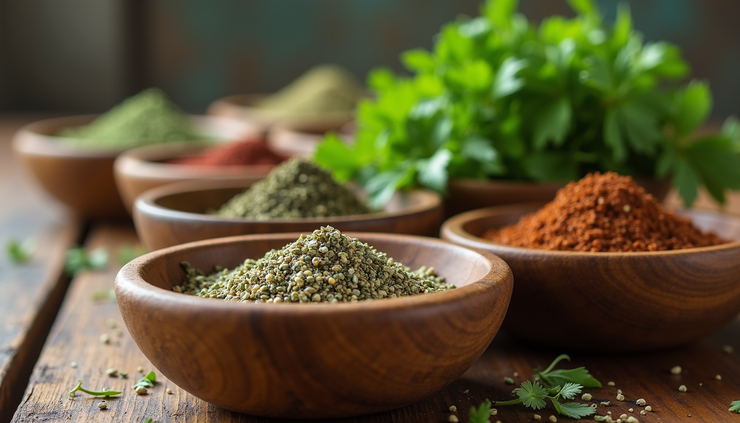
You might already know that herbs and spices add flavor to your meals, but did you realize they can also boost your health in powerful ways? For anyone health conscious, understanding how these natural ingredients work as superfoods can transform your approach to nutrition. This guide will walk you through the benefits, uses, and science behind some of the most potent herbs and spices, helping you make smarter choices for your wellbeing.
What Makes Herbs and Spices Superfoods?
Superfoods are foods rich in nutrients and antioxidants that provide significant health benefits. Herbs and spices fit this description because they contain compounds that support your immune system, reduce inflammation, and improve digestion. Unlike many processed foods, they offer these benefits with minimal calories and no artificial additives.
Here’s why herbs and spices stand out:
High antioxidant content: They help neutralize harmful free radicals in your body.
Anti-inflammatory properties: Many reduce chronic inflammation linked to diseases.
Rich in vitamins and minerals: Some provide essential nutrients like vitamin C, iron, and manganese.
Support digestion and metabolism: Certain spices stimulate digestive enzymes and improve gut health.
By including a variety of herbs and spices in your diet, you can enhance both flavor and nutrition without extra effort.
Top Herbs and Spices to Include in Your Diet
Turmeric
Turmeric contains curcumin, a compound studied extensively for its anti-inflammatory and antioxidant effects. Research suggests curcumin may help reduce symptoms of arthritis and support brain health.
Use turmeric in curries, soups, or smoothies.
Pair with black pepper to improve absorption.
Try golden milk, a warm drink made with turmeric, milk, and honey.
Ginger
Ginger is well-known for easing nausea and improving digestion. It also has anti-inflammatory properties that may help reduce muscle pain and soreness.
Add fresh ginger to teas, stir-fries, or salad dressings.
Use powdered ginger in baked goods or spice blends.
Drink ginger tea to soothe upset stomachs.
Cinnamon
Cinnamon can help regulate blood sugar levels and has antioxidant benefits. It may also support heart health by improving cholesterol levels.
Sprinkle cinnamon on oatmeal, yogurt, or fruit.
Use in baked goods or homemade granola.
Add to coffee or tea for a warming flavor.
Rosemary
Rosemary contains compounds that may improve memory and concentration. It also has antimicrobial properties that support immune health.
Use fresh rosemary in roasted vegetables or meats.
Infuse olive oil with rosemary for salad dressings.
Add to bread dough for aromatic flavor.
Garlic
Garlic is famous for its immune-boosting effects and ability to lower blood pressure. It contains allicin, a compound with antibacterial and antiviral properties.
Use fresh garlic in sauces, marinades, and sautés.
Roast whole garlic bulbs for a milder flavor.
Include in salad dressings and dips.
How to Incorporate Herbs and Spices into Your Daily Routine
Adding these superfoods to your diet doesn’t require drastic changes. Here are practical tips for everyday use:
Start small: Add a pinch of your favorite spice to meals you already enjoy.
Experiment with blends: Create your own spice mixes combining turmeric, cumin, coriander, and chili powder.
Use fresh herbs: Keep fresh herbs like basil, cilantro, and parsley on hand for salads and garnishes.
Brew herbal teas: Make teas with ginger, cinnamon sticks, or rosemary for a soothing drink.
Cook creatively: Try new recipes that highlight herbs and spices, such as Moroccan tagines or Indian dals.

Understanding the Science Behind Their Benefits
Scientific studies support many of the health claims related to herbs and spices. For example:
Curcumin in turmeric has been shown to reduce markers of inflammation in clinical trials.
Gingerol in ginger can relieve nausea and may reduce muscle pain after exercise.
Cinnamon has demonstrated effects on lowering fasting blood glucose in people with type 2 diabetes.
Allicin in garlic has antimicrobial effects and may improve cardiovascular health.
These compounds work by interacting with your body’s cells and signaling pathways, helping to reduce oxidative stress and support immune function. While herbs and spices are not cures, they can be valuable parts of a balanced diet focused on nutrition and wellness.
Tips for Buying and Storing Herbs and Spices
To get the most from your herbs and spices, consider these tips:
Buy whole spices when possible: Whole spices retain flavor longer than pre-ground versions.
Store in airtight containers: Keep them away from heat, light, and moisture.
Use fresh herbs quickly: Fresh herbs lose potency faster than dried ones.
Check expiration dates: Spices lose flavor over time, usually after 1-3 years.
Grow your own: If you have space, growing herbs like basil, mint, or thyme ensures freshness.
Potential Precautions and Interactions
While herbs and spices offer many benefits, some can interact with medications or cause allergies. For example:
Turmeric in high doses may affect blood clotting.
Garlic supplements can interact with blood thinners.
Some people may be allergic to cinnamon or other spices.
If you have health conditions or take medications, consult your healthcare provider before significantly increasing your intake of any herb or spice.

Bringing It All Together for Better Nutrition
Using herbs and spices as superfoods is a simple way to enhance your meals and support your health. By choosing a variety of these natural ingredients, you add antioxidants, vitamins, and anti-inflammatory compounds to your diet without extra calories or additives.
Next time you prepare a meal, think about how you can include turmeric, ginger, cinnamon, rosemary, or garlic. These herbs and spices not only improve flavor but also contribute to your overall nutrition and wellbeing. Start small, experiment with new recipes, and enjoy the benefits of these powerful superfoods every day.
Remember, your journey to better health is a series of small, consistent choices. Incorporating herbs and spices is one of the easiest and most enjoyable ways to support your body naturally.


Comments