The Ultimate Guide to Nuts and Seeds as Superfoods for Optimal Health

Updated: Jul 26
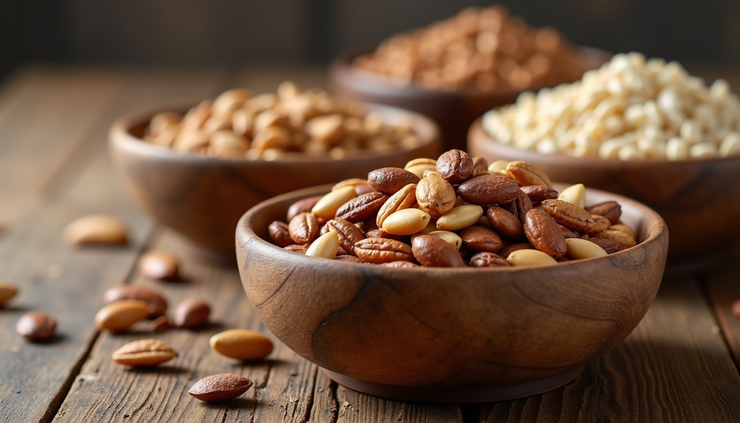
Nuts and seeds have earned their place among the most powerful superfoods you can add to your diet. Packed with essential nutrients, they offer a simple way to boost your health, support your energy, and protect your body from chronic diseases. If you want to feel stronger, improve your digestion, or maintain a healthy heart, nuts and seeds deserve a spot in your daily routine.
Why Nuts and Seeds Are Considered Superfoods
Nuts and seeds contain a unique combination of healthy fats, protein, fiber, vitamins, and minerals. This mix supports many body functions, including brain health, heart health, and immune defense. Here’s what makes them stand out:
Healthy fats: Most nuts and seeds are rich in unsaturated fats, especially omega-3 and omega-6 fatty acids. These fats help reduce inflammation and improve cholesterol levels.
Protein: They provide plant-based protein, which is essential for muscle repair and growth.
Fiber: High fiber content aids digestion and helps regulate blood sugar.
Micronutrients: Nuts and seeds contain magnesium, zinc, vitamin E, and selenium, which support immune function and protect cells from damage.
Eating a handful of nuts or seeds daily can lower your risk of heart disease, type 2 diabetes, and certain cancers, according to research from institutions like Harvard T.H. Chan School of Public Health.
Top Nuts and Seeds to Include in Your Diet
Not all nuts and seeds are created equal. Each type offers unique benefits and flavors. Here are some of the best options to try:
Almonds
Almonds are rich in vitamin E, magnesium, and antioxidants. They help improve cholesterol and support brain health. You can eat them raw, roasted, or add almond butter to smoothies.
Walnuts
Walnuts contain high levels of omega-3 fatty acids, which are rare in plant foods. These fats support heart health and reduce inflammation. Walnuts also provide polyphenols that protect brain cells.
Chia Seeds
Chia seeds are tiny but packed with fiber, protein, and omega-3s. They absorb water and form a gel, which helps keep you full longer. Add chia seeds to yogurt, oatmeal, or make chia pudding.
Flaxseeds
Flaxseeds are another excellent source of omega-3s and lignans, compounds that may reduce cancer risk. Ground flaxseeds are easier to digest and can be sprinkled on cereals or blended into smoothies.
Pumpkin Seeds
Pumpkin seeds are rich in magnesium, zinc, and antioxidants. They support immune health and may improve sleep quality due to their tryptophan content. Snack on roasted pumpkin seeds or add them to salads.
Brazil Nuts
Brazil nuts are one of the best sources of selenium, a mineral important for thyroid function and antioxidant defense. Just one or two nuts a day can meet your selenium needs.
How to Incorporate Nuts and Seeds into Your Meals
Adding nuts and seeds to your diet doesn’t have to be complicated. Here are some practical ways to enjoy their benefits every day:
Sprinkle chopped nuts or seeds on your morning cereal or yogurt.
Blend nut butters into smoothies for extra creaminess and protein.
Use ground seeds as a topping for salads or roasted vegetables.
Mix nuts and seeds into homemade granola or trail mix.
Add nut flours like almond flour to baking recipes for a nutritious twist.
Snack on a handful of raw or roasted nuts between meals.
Remember to watch portion sizes since nuts and seeds are calorie-dense. A small handful (about 1 ounce or 28 grams) is enough to gain health benefits without excess calories.

Potential Allergies and Considerations
While nuts and seeds are healthy, some people may have allergies or sensitivities. Tree nuts like almonds, walnuts, and Brazil nuts are common allergens. If you have a nut allergy, seeds like chia or pumpkin seeds might be safer options.
Also, some nuts and seeds contain antinutrients like phytic acid, which can reduce mineral absorption. Soaking or roasting them can reduce these compounds and improve digestibility.
If you have specific health conditions or take medications, check with your healthcare provider before making major changes to your diet.
Storing Nuts and Seeds for Maximum Freshness
Nuts and seeds contain oils that can go rancid if not stored properly. To keep them fresh and nutritious:
Store in airtight containers.
Keep them in a cool, dark place like a pantry or refrigerator.
Avoid exposure to heat, light, and moisture.
Use ground seeds quickly or store them in the fridge or freezer.
Proper storage preserves flavor and nutrients, so you get the most from these superfoods.

Nuts and seeds offer a simple, tasty way to improve your diet and support your health. Their nutrient-rich profiles make them powerful superfoods that can help protect your heart, brain, and immune system. By including a variety of nuts and seeds in your meals, you add essential fats, protein, fiber, and minerals that your body needs.
Start small with a handful a day and explore different types to find your favorites. Whether sprinkled on salads, blended into smoothies, or eaten as snacks, nuts and seeds can become a delicious part of your healthy lifestyle.
Take the next step by picking up a few varieties at your local store and experimenting with recipes. Your body will thank you for the boost in nutrition and energy.


Comments