Anti-Inflammatory Superfoods Complete Guide for Better Health

Updated: Jul 26

Inflammation is often described as the body’s fire alarm. When it works well, it helps protect you, repair damage and restore balance. When it stays switched on for too long, the same defence system can become part of a bigger wellbeing problem.
That is why anti-inflammatory foods have attracted so much attention. Turmeric lattes, green smoothies, blueberries, olive oil and chia pudding are often promoted as foods that reduce inflammation. Some of that excitement is grounded in nutrition science, but it can also be overstated. No single food can “switch off” inflammation, and no eating plan should be treated as a replacement for medical care.
A more useful approach is to think in patterns. A balanced diet built around whole foods, colourful plants, healthy fats, fibre-rich carbohydrates and quality protein may support the body’s normal inflammatory processes. This guide looks at the science in a practical way, with a focus on everyday meals rather than miracle cures.
This article is for general information only and does not replace personalised advice from a qualified health professional.
What inflammation is and why it exists
Inflammation is part of the immune system’s normal response to harm. It helps the body respond to injury, infection, irritation and tissue damage.
When you cut your finger, sprain an ankle or develop a sore throat, the immune system sends cells and signalling molecules to the affected area. Blood flow increases. The area may become red, warm, swollen or painful. Although uncomfortable, this response helps contain damage and begin repair.
Inflammation is not the enemy. It is a protective process.
Problems can arise when inflammatory signalling becomes persistent, widespread or poorly regulated. In that situation, the immune system may remain mildly activated even when there is no immediate injury to resolve.
Acute inflammation and chronic low-grade inflammation are different
Acute inflammation is short term. It usually appears quickly and settles as healing progresses. Common signs include:
Redness
Heat
Swelling
Pain
Temporary loss of normal function
Chronic low-grade inflammation is subtler. It may not cause obvious swelling or pain. Instead, it can involve ongoing immune activity at a low level. Research links chronic low-grade inflammation with a range of long-term health concerns, although the relationship is complex and not always one-way.
Lifestyle, genetics, age, environment, infections, body composition and existing health conditions can all play a role. Nutrition is one piece of the picture, not the whole story.
Lifestyle factors that may contribute to chronic inflammation
Inflammation does not happen in isolation. Daily habits can influence inflammatory pathways, immune function, gut health, blood sugar regulation and oxidative stress.
Common factors associated with higher inflammatory load include:
Poor diet quality
Diets high in heavily processed foods, refined carbohydrates, added sugars and unhealthy fats may be associated with higher inflammatory markers.
Physical inactivity
Regular movement supports circulation, metabolic health, muscle function and immune regulation.
Smoking
Tobacco smoke exposes the body to oxidative stress and inflammatory compounds.
Chronic stress
Long-term stress can affect hormones, sleep, appetite, digestion and immune signalling.
Poor sleep
Inadequate or disrupted sleep is associated with changes in appetite regulation, blood glucose control and inflammatory markers.
Excess alcohol
Heavy drinking can affect the liver, gut barrier, sleep quality and overall nutrient status.
These factors often cluster together. For example, poor sleep may increase cravings for high-sugar foods, while stress can make exercise feel harder. That is why an anti-inflammatory approach works best when it looks at the whole lifestyle.
How nutrition supports normal inflammatory processes
Food provides more than energy. It supplies the raw materials the body uses for repair, immune activity, hormone production, gut microbes, antioxidant defence and cell signalling.
A healthy eating pattern may help maintain balanced inflammatory responses by supporting:
Stable blood glucose and insulin function
A healthier gut microbiome
Adequate intake of vitamins and minerals
A better balance of dietary fats
Antioxidant defence against oxidative stress
Healthy body weight and metabolic function
The strongest evidence tends to support dietary patterns, not isolated superfoods. Mediterranean-style eating is one of the best-known examples. It emphasises vegetables, fruit, legumes, whole grains, nuts, seeds, extra virgin olive oil, herbs, spices and fish, with smaller amounts of meat and sweets.
That said, individual foods can still be valuable. The key is to use them as building blocks within a balanced diet.
Key nutrients in anti-inflammatory foods
Many so-called superfoods contain overlapping groups of nutrients and plant compounds. These do not work like medication. They form part of normal nutrition and may support wellbeing when eaten regularly.
Antioxidants
Antioxidants help protect cells from oxidative stress, which occurs when free radicals outnumber the body’s defence systems. Vitamin C, vitamin E, carotenoids and many plant compounds have antioxidant activity.
Foods rich in antioxidants include berries, leafy greens, tomatoes, nuts, seeds, herbs and green tea.
Polyphenols and flavonoids
Polyphenols are plant compounds found in foods such as berries, tea, extra virgin olive oil, cocoa, herbs and spices. Flavonoids are a major subgroup.
Research suggests these compounds may support blood vessel health, gut microbes and normal inflammatory signalling. Their effects depend on the food, dose, gut microbiome and overall diet.
Omega-3 fatty acids
Omega-3 fats are found in fatty fish, flaxseeds, chia seeds and walnuts. Oily fish provides EPA and DHA, which are the long-chain omega-3s most directly involved in inflammatory pathways.
Plant foods provide ALA, which the body can convert to EPA and DHA, although conversion is limited. Plant omega-3 foods are still valuable because they also contain fibre, minerals and polyphenols.
Vitamins and minerals
Several vitamins and minerals support immune function and antioxidant defence, including:
Vitamin C
Vitamin E
Vitamin A and carotenoids
Vitamin D
Zinc
Selenium
Magnesium
A varied whole-food diet helps cover these needs. Supplements may be useful in specific cases, but they are not a substitute for a balanced diet.
Dietary fibre
Fibre supports bowel health, blood glucose regulation and the gut microbiome. When gut bacteria ferment certain fibres, they produce short-chain fatty acids, which may help maintain gut barrier function and immune balance.
Legumes, vegetables, fruit, oats, nuts, seeds and whole grains are all important fibre sources.

The best anti-inflammatory superfoods to eat regularly
The phrase Anti-Inflammatory Superfoods can be helpful if it points people towards nutrient-dense foods. It becomes less helpful when it suggests that one ingredient can undo an otherwise poor diet.
The foods below are best viewed as regular staples. Most are affordable, flexible and easy to include in everyday cooking.
Turmeric
Turmeric is a golden spice best known for curcumin, a polyphenol that has been widely studied for its potential role in inflammatory pathways. Curcumin is not absorbed particularly well on its own, but black pepper contains piperine, which can improve absorption.
Turmeric also brings colour, warmth and earthy flavour to meals. It works well in savoury dishes and drinks.
Practical ways to use turmeric include:
Add it to lentil soup or dhal
Stir it into scrambled eggs or tofu
Use it in roasted cauliflower or pumpkin
Make a turmeric, ginger and cinnamon milk drink
Combine it with black pepper and olive oil in marinades
Ginger
Ginger contains bioactive compounds such as gingerols and shogaols. It has a long history in cooking and traditional food cultures, and research suggests it may support digestive comfort and normal inflammatory responses.
Fresh ginger has a sharp, warming flavour. Dried ginger is more concentrated and works well in baking, spice blends and tea.
Try ginger in:
Stir-fries with garlic and vegetables
Carrot and pumpkin soup
Green tea with lemon
Overnight oats with cinnamon
Fish or chicken marinades
Blueberries
Blueberries are rich in anthocyanins, the pigments that give them their deep blue-purple colour. They also provide vitamin C, fibre and a range of polyphenols.
Regular berry intake is associated with better diet quality and may support heart and brain health as part of a healthy eating pattern.
Easy ways to eat blueberries include:
Add them to porridge or yoghurt
Blend them into smoothies
Serve them with nuts and seeds
Stir frozen berries into chia pudding
Use them in wholemeal pancakes
Strawberries
Strawberries provide vitamin C, fibre, folate and polyphenols. Their natural sweetness can help make balanced snacks more satisfying without relying heavily on added sugar.
They pair well with protein-rich foods, which helps create a more filling snack.
Try strawberries with:
Greek yoghurt and almonds
Oats and chia seeds
Ricotta on wholegrain toast
A spinach and avocado salad
Dark chocolate in small amounts for a simple dessert
Cherries
Cherries contain anthocyanins and other polyphenols. Tart cherries in particular have been studied for exercise recovery and sleep-related outcomes, although research is still developing.
Fresh cherries are seasonal in Australia, which makes them a welcome summer food. Frozen cherries can be useful when fresh ones are unavailable.
Ways to include cherries:
Add pitted cherries to yoghurt bowls
Simmer frozen cherries into a quick compote
Pair them with walnuts
Blend them into smoothies
Serve with oats and cinnamon
Leafy green vegetables
Leafy greens such as spinach, kale, silverbeet, rocket and bok choy provide folate, vitamin K, magnesium, potassium, fibre and carotenoids. Dark leafy greens also contain a range of plant compounds that may support antioxidant defence.
Many Australians do not eat enough vegetables, so leafy greens are a practical place to start.
Use leafy greens by:
Adding spinach to omelettes
Stirring silverbeet into soups
Making rocket salads with olive oil and lemon
Adding bok choy to noodle soups
Blending mild greens into smoothies
Broccoli
Broccoli belongs to the cruciferous vegetable family, along with cauliflower, cabbage, Brussels sprouts and kale. It provides vitamin C, folate, fibre and glucosinolates. These compounds can be converted into biologically active molecules such as sulforaphane.
Broccoli is often studied for its role in overall health, though benefits depend on broader diet and lifestyle.
Practical ideas include:
Roast broccoli with olive oil and garlic
Add it to stir-fries
Toss steamed broccoli with tahini and lemon
Mix chopped broccoli into frittata
Use broccoli slaw in wraps
Tomatoes
Tomatoes are rich in lycopene, a red carotenoid. They also provide vitamin C, potassium and water. Cooking tomatoes with olive oil can improve lycopene availability, which makes tomato-based sauces a smart choice.
Fresh tomatoes add brightness, while canned tomatoes are affordable and convenient.
Use tomatoes in:
Pasta sauce with lentils and herbs
Shakshuka with eggs
Chickpea and tomato stew
Salads with basil and olive oil
Homemade vegetable soup
Extra virgin olive oil
Extra virgin olive oil is a central part of Mediterranean-style diet patterns. It contains monounsaturated fat and polyphenols, including compounds that may support normal inflammatory balance.
Choose extra virgin olive oil for dressings, finishing dishes and gentle cooking. Store it away from heat and light to protect quality.
Simple uses include:
Dress salads with olive oil and vinegar
Drizzle over roasted vegetables
Use in tomato-based sauces
Add to hummus
Spoon over grilled fish or legumes
Walnuts
Walnuts provide ALA omega-3 fats, polyphenols, magnesium and fibre. They are energy-dense, so a small handful is usually enough.
Their slightly bitter flavour works well with sweet and savoury foods.
Try walnuts in:
Porridge with berries
Beetroot and rocket salad
Homemade trail mix
Lentil and walnut patties
Banana bread made with wholemeal flour
Almonds
Almonds provide vitamin E, monounsaturated fat, magnesium, calcium and fibre. Vitamin E acts as an antioxidant in the body, helping protect cell membranes from oxidative stress.
Almonds are also practical. They travel well and make snacks more satisfying.
Use almonds by:
Adding flaked almonds to salads
Pairing almond butter with apple slices
Mixing almonds into muesli
Using almond meal in baking
Serving a small handful with fruit
Flaxseeds
Flaxseeds, also called linseeds, provide ALA omega-3 fats, fibre and lignans. Ground flaxseed is easier for the body to use than whole flaxseed, which can pass through the digestive tract largely intact.
Because flax contains soluble fibre, it can help add texture to meals.
Ways to use ground flaxseed:
Stir into porridge
Add to smoothies
Mix into yoghurt
Use in homemade muffins
Combine with water as an egg substitute in some baking
Chia seeds
Chia seeds provide fibre, ALA omega-3 fats, magnesium, calcium and plant protein. They absorb liquid and form a gel, which makes them useful in puddings, oats and smoothies.
Their mild flavour means they work in many meals.
Try chia seeds in:
Chia pudding with berries
Overnight oats
Smoothies
Homemade seed crackers
Yoghurt bowls
Green tea
Green tea contains catechins, including EGCG, a polyphenol studied for antioxidant and inflammatory pathways. It also contains caffeine, though usually less than coffee.
Green tea can be a helpful replacement for sugary drinks. People sensitive to caffeine may prefer it earlier in the day.
Enjoy green tea:
Plain, freshly brewed
With lemon or mint
Chilled with berries
Alongside breakfast
As part of an afternoon break instead of sweet drinks
Garlic
Garlic contains sulphur compounds, including allicin-related compounds formed when garlic is chopped or crushed. Garlic also contributes prebiotic fibres that help feed beneficial gut bacteria.
It is one of the easiest ways to make healthy food taste better.
Use garlic in:
Olive oil dressings
Roasted vegetables
Tomato sauces
Lentil soups
Stir-fries with ginger
Letting chopped garlic sit briefly before cooking may help preserve some of its beneficial compounds.
Mushrooms
Mushrooms provide B vitamins, selenium, potassium, fibre and unique polysaccharides such as beta-glucans. Some varieties also provide vitamin D if exposed to ultraviolet light.
They bring savoury depth to meals and can reduce the need for highly processed flavourings.
Try mushrooms in:
Omelettes with spinach
Barley or brown rice risotto
Stir-fries with garlic
Lentil bolognese
Miso-style soups
Avocados
Avocados provide monounsaturated fat, potassium, fibre, vitamin E and carotenoids. Their creamy texture can make meals more satisfying, which may help people build balanced meals without relying on heavily processed spreads.
They are best used in reasonable portions because they are energy-dense.
Use avocado in:
Wholegrain toast with tomato
Salad bowls
Smoothies for creaminess
Tacos with beans and salsa
Sandwiches instead of butter or mayonnaise
Fatty fish
Fatty fish such as salmon, sardines, trout, mackerel and herring provide EPA and DHA omega-3 fats, high-quality protein, vitamin D, iodine and selenium.
EPA and DHA are involved in the body’s production of specialised molecules that help resolve inflammatory responses. This does not mean fish treats inflammation, but it can be part of a healthy diet pattern that supports normal immune function.
Practical ways to eat fatty fish:
Add canned sardines to wholegrain toast
Serve grilled salmon with vegetables
Use canned salmon in patties
Add trout to salads
Mix mackerel with lemon, herbs and yoghurt
For people who do not eat fish, plant omega-3 foods are still useful. Some may also discuss algae-based omega-3 supplements with a health professional.
Legumes
Legumes include lentils, chickpeas, black beans, kidney beans, cannellini beans, soybeans and split peas. They are rich in fibre, plant protein, folate, iron, magnesium, potassium and polyphenols.
Legumes are strongly associated with healthy dietary patterns. They help support gut health, steady energy and meal satisfaction.
Use legumes in:
Lentil soup
Chickpea curry
Bean salads
Hummus
Lentil bolognese
Black bean tacos
Split pea soup
Canned legumes are convenient. Rinse them to reduce excess sodium.
Herbs and spices used in cooking
Herbs and spices are concentrated sources of plant compounds. They also help reduce reliance on excess salt, sugar and heavy sauces.
Useful options include:
Cinnamon
Works well in oats, yoghurt, fruit and baked goods.
Rosemary
Pairs with roast vegetables, chicken, lamb and beans.
Oregano
Suits tomato sauces, salads and Mediterranean-style dishes.
Basil
Freshens salads, soups, pesto and pasta.
Parsley
Adds vitamin C, flavour and colour to tabbouleh, soups and eggs.
Cumin
Brings depth to legumes, curries and roasted vegetables.
Coriander
Works in soups, salads, curries and salsas.
Chilli
Contains capsaicin and adds heat. Use according to tolerance.
Herbs and spices are not magic, but they make healthy eating more enjoyable. That matters, because enjoyable habits are easier to maintain.
Foods and dietary patterns that may promote inflammation in excess
No food needs to be demonised. An occasional slice of cake, takeaway meal or glass of wine is not the issue. Problems are more likely when low-nutrient, highly processed choices displace whole foods most of the time.
Dietary patterns associated with poorer inflammatory and metabolic health often include high intakes of:
Sugary drinks
Refined grains and pastries
Deep-fried foods
Processed meats
Excess alcohol
Highly processed snack foods
Large amounts of added sugar
Low-fibre meals
Too few vegetables, fruit and legumes
Saturated fat is more complex. Foods such as butter, fatty processed meats and many commercial baked goods can push saturated fat intake high. Replacing some saturated fats with extra virgin olive oil, nuts, seeds, avocado and fish may better support heart and metabolic health.
The aim is not perfection. It is to shift the default pattern.
Build an anti-inflammatory eating pattern, not a superfood shelf
A pantry full of turmeric, chia seeds and green tea will not compensate for a diet short on vegetables, protein, fibre and basic meal structure.
A practical anti-inflammatory eating pattern usually includes:
Plenty of vegetables, especially colourful and leafy varieties
Fruit most days, particularly berries, citrus and seasonal options
Legumes several times a week
Whole grains such as oats, brown rice, barley and wholegrain bread
Nuts and seeds in moderate portions
Extra virgin olive oil as a main added fat
Fish, especially oily fish, when suitable
Herbs and spices for flavour
Mostly water as the main drink
This approach aligns closely with a Mediterranean-style diet, but it can be adapted to many food cultures. A healthy pattern might include lentil dhal, tofu stir-fry, chickpea salad, sardines on toast, minestrone, soba noodle soup or a vegetable-packed frittata.
The common thread is variety, fibre, colour and consistency.
Sample anti-inflammatory meal ideas
These meal ideas show how anti-inflammatory foods can fit into normal life.
Breakfast ideas
Rolled oats with blueberries, chia seeds, walnuts and cinnamon
Greek yoghurt with strawberries, ground flaxseed and almonds
Wholegrain toast with avocado, tomato and herbs
Spinach and mushroom omelette cooked with olive oil
Smoothie with berries, leafy greens, chia seeds and yoghurt
Lunch ideas
Lentil and vegetable soup with extra virgin olive oil
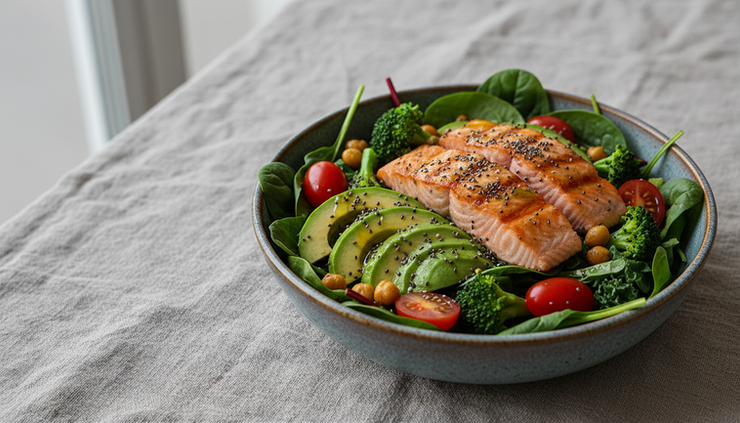
Salmon, avocado and chickpea salad
Wholegrain wrap with hummus, leafy greens, tomato and grated carrot
Brown rice bowl with broccoli, mushrooms, tofu, ginger and garlic
Tomato and bean stew with parsley
Dinner ideas
Turmeric and ginger lentil dhal with leafy greens
Grilled sardines or salmon with roasted broccoli and tomato salad
Chickpea and vegetable curry with brown rice
Wholemeal pasta with tomato sauce, garlic, olive oil and mushrooms
Bean tacos with avocado, salsa, cabbage and coriander
Snack ideas
Apple slices with almond butter
A small handful of walnuts and cherries
Carrot sticks with hummus
Green tea with Greek yoghurt and berries
Wholegrain crackers with avocado and tomato

Lifestyle habits that complement an anti-inflammatory diet
Food is powerful, but it works best alongside other daily habits.
Move regularly
Regular physical activity is associated with healthier inflammatory markers, better insulin sensitivity, improved mood and stronger muscles. This does not require intense training every day.
Helpful options include:
Brisk walking
Swimming
Cycling
Strength training
Yoga or Pilates
Gardening
Short movement breaks during the day
The best exercise is the one done consistently and safely.
Prioritise quality sleep
Sleep supports immune regulation, appetite hormones, blood glucose control and recovery. Poor sleep can make healthy eating harder by increasing hunger and cravings.
Support better sleep by:
Keeping a consistent sleep schedule
Reducing bright screens before bed
Limiting caffeine later in the day
Creating a cool, dark sleep environment
Avoiding heavy alcohol intake close to bedtime
Manage stress in realistic ways
Stress is unavoidable, but chronic stress can influence eating patterns, digestion, sleep and inflammatory signalling.
Useful stress supports include:
Slow breathing
Time outdoors
Gentle movement
Journalling
Meditation
Social connection
Professional support when needed
Small, repeatable habits often work better than dramatic changes that are hard to maintain.
Stay hydrated
Hydration supports digestion, circulation, temperature regulation and concentration. Water is the best everyday drink. Herbal tea and sparkling water can add variety.
Sugary drinks are best kept occasional, mainly because they add energy without fibre or much nutrition.
Maintain a healthy weight where appropriate
Excess body fat, particularly around the abdomen, is associated with chronic low-grade inflammation. Weight is influenced by many factors, including genetics, hormones, sleep, stress, medications, environment and access to food.
Rather than focusing only on weight, it is often more useful to build habits that support metabolic health:
Eating enough protein and fibre
Moving regularly
Sleeping well
Limiting alcohol
Choosing mostly whole foods
Managing stress with support
Frequently asked questions about anti-inflammatory eating
Can food really reduce inflammation?
Diet can support the body’s normal inflammatory processes, especially when it improves overall diet quality. Research strongly favours whole eating patterns rather than single foods. A diet rich in vegetables, fruit, legumes, nuts, seeds, olive oil and fish may help maintain better inflammatory balance.
How long does it take to notice a difference?
It varies. Some people feel better within weeks when they eat more fibre, reduce alcohol, improve sleep and stabilise meals. Changes in deeper health markers may take longer and depend on the person’s overall health, lifestyle and medical background.
Do I need to eat every superfood on the list?
No. Variety matters more than ticking off every item. Choose the foods you enjoy, can afford and can prepare often. Blueberries are useful, but so are oranges, apples, lentils, cabbage and oats.
Are supplements necessary?
Not for everyone. Some people need supplements due to deficiency, dietary restrictions or medical advice. Food should remain the foundation. Speak with a qualified health professional before taking high-dose supplements, especially if pregnant, managing a condition or taking medication.
Is coffee anti-inflammatory?
Coffee contains polyphenols and is associated with some health benefits in many observational studies. The overall effect depends on the amount, sleep, tolerance and what is added to it. Plain coffee or coffee with milk is different from a large sweetened drink.
Practical take-home tips to start today
A sustainable anti-inflammatory diet does not require a full kitchen overhaul. Start with a few realistic changes.
Add one extra serve of vegetables to lunch or dinner.
Use extra virgin olive oil as your main dressing or cooking fat.
Eat legumes two or three times a week.
Keep frozen berries on hand for oats, yoghurt and smoothies.
Snack on nuts with fruit instead of sweet packaged snacks most days.
Add garlic, ginger, turmeric, herbs or spices to simple meals.
Choose oily fish when it suits your budget and preferences.
Swap sugary drinks for water, sparkling water or unsweetened tea.
Build meals around protein, fibre, healthy fats and colour.
Focus on what you can add before worrying about what to remove.
Better health comes from patterns, not miracle foods
Anti-inflammatory eating is not about chasing the most exotic powder or adding one fashionable ingredient to an unbalanced diet. It is about creating a way of eating that supports long-term wellbeing.
Turmeric, berries, leafy greens, legumes, fatty fish, olive oil, nuts, seeds, herbs and spices can all play a valuable role. They bring fibre, healthy fats, antioxidants, polyphenols, vitamins and minerals to the table. Yet their real strength appears when they are eaten regularly, alongside enough sleep, movement, hydration, stress support and a generally balanced diet.
Start simply. Add more colour to the plate. Cook with olive oil and garlic. Keep legumes in the pantry. Choose fruit and nuts for easy snacks. Drink more water. Repeat those habits often enough, and healthy eating becomes less of a project and more of a rhythm.


Comments